
The cultural significance of casinos in modern society
The Evolution of Casinos
Casinos have undergone significant transformation over the years, evolving from underground gambling establishments to grand, architecturally stunning venues that attract millions. Initially, gambling was often seen as a vice, but as societies progressed, casinos began to be recognized as legitimate entertainment options. This shift in perception has allowed casinos to become central to social gatherings, offering not only gaming but also dining, live performances, and luxury accommodations. With the rise of the internet, engaging with bitcoin pokies and other games has become more accessible, capturing the attention of a diverse audience.
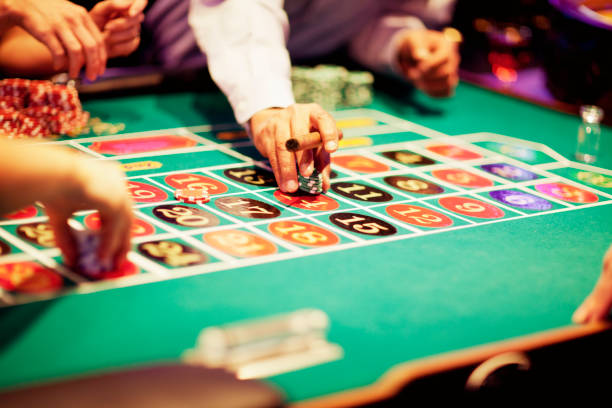
The development of online casinos has further broadened this cultural landscape, allowing individuals to experience the thrill of gambling from the comfort of their own homes. This accessibility has changed the way people engage with games of chance, making it easier for a wider audience to participate in the casino culture.
Social Interaction and Community Building
Casinos serve as social hubs, facilitating interactions among diverse groups of people. Visitors often gather to share experiences, celebrate milestones, or simply enjoy each other’s company while engaging in games. The communal atmosphere fosters a sense of belonging, where individuals can escape their daily routines and immerse themselves in a lively environment filled with excitement and camaraderie.
Moreover, casinos often host events and tournaments that encourage community engagement. These gatherings not only enhance social connections but also promote local economies by attracting tourists and creating job opportunities in hospitality and entertainment sectors.
The Psychology of Gambling
The psychological aspects of gambling play a crucial role in the cultural significance of casinos. Many individuals are drawn to the thrill of uncertainty and the potential for reward. The excitement of placing a bet can evoke a range of emotions, from anticipation to elation, which is often amplified in a casino setting. Understanding this psychology helps explain why casinos are designed to be visually stimulating, creating an environment that encourages prolonged engagement.
Additionally, responsible gambling initiatives highlight the importance of awareness surrounding the psychological impacts of gaming. By promoting safe gambling practices, casinos acknowledge their role in protecting patrons and contributing positively to societal well-being.
Casinos and Economic Impact
The economic significance of casinos cannot be overstated. They contribute significantly to local and national economies through job creation, tourism, and taxation. Many regions rely on the revenue generated by casinos to fund public services, infrastructure, and community development projects. As such, casinos are often seen as vital components of economic strategies in many areas.
Furthermore, the presence of casinos can lead to the revitalization of struggling neighborhoods, attracting businesses and increasing property values. This economic boost, however, must be balanced with considerations of social responsibility and potential negative effects on vulnerable populations.

Exploring Online Casino Culture
The rise of online casinos has transformed the gambling landscape, creating a new wave of cultural significance. These platforms allow players to engage in their favorite games from anywhere, leading to an increase in the number of participants in the gaming community. The convenience of online gaming, combined with advanced technology, has created immersive experiences that rival traditional casinos.
Our website is dedicated to helping players navigate this growing online casino culture. By offering comprehensive reviews of top-rated platforms, we aim to enhance the gaming experience while ensuring players can access secure and enjoyable environments. Join us to discover the best online casinos tailored for you, complete with enticing bonuses and a variety of gaming options.